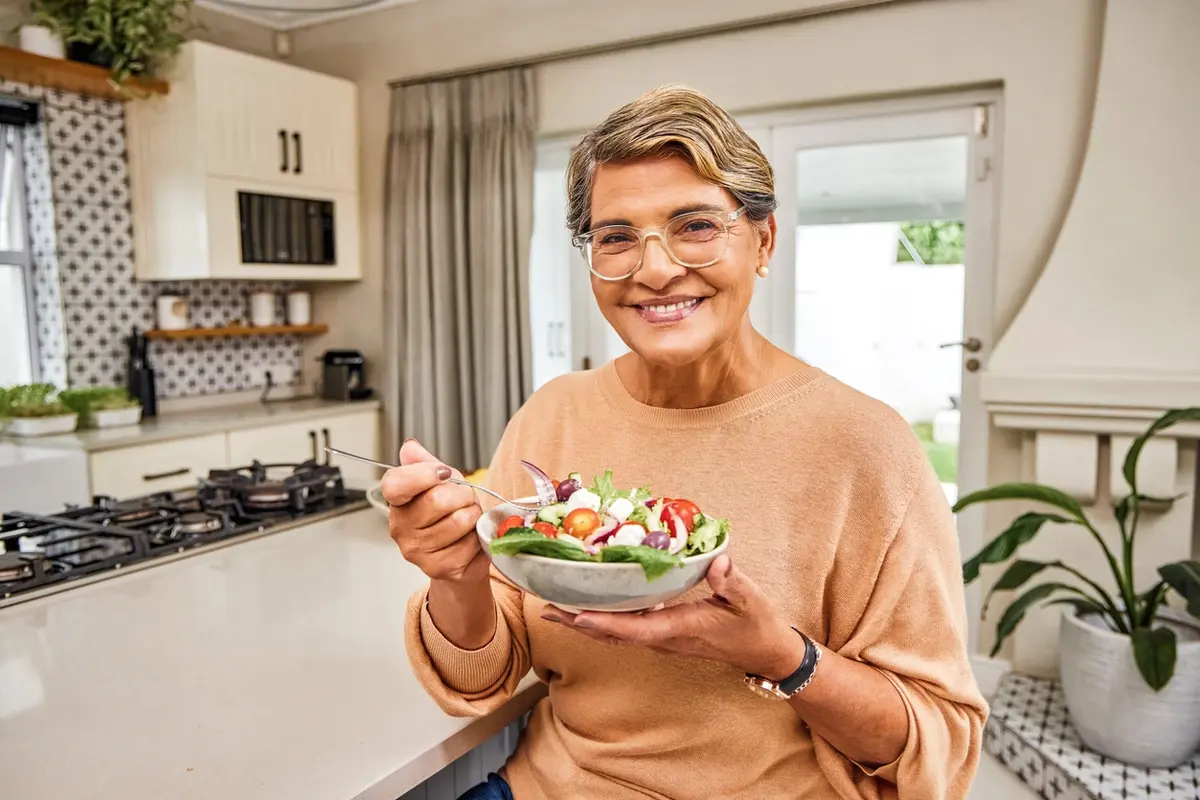
What Is the Best Diet for Seniors? A Practical Guide for Healthy Eating
Follow your doctor’s instructions and consult with them before changing your diet or supplements.
If you care for an aging parent or partner, you’ve probably asked yourself some version of this question: what is the best diet for seniors when appetites change, energy levels dip, and health needs get more complicated?
At Emerald Gardens in Woodburn, Oregon, families often inquire about meal options. You want to know that what your loved one eats each day does more than “get them through the day.” You want food to support strength, balance, comfort, digestion, and hydration—while still feeling familiar and enjoyable.
The best diet for seniors is a balanced, nutrient-dense approach to eating, which involves consuming vegetables and fruits in most meals, spreading protein throughout the day, incorporating whole grains or starchy foods to maintain steady energy, and including healthy fats in small amounts. Limit high-sodium and highly processed foods, prioritize hydration, and adjust textures/portion sizes when appetite or chewing changes.
Key takeaways
- Aim for nutrient-dense foods so “every bite counts.”
- Include protein at every meal (and often in snacks) to protect your muscles and maintain balance.
- Add fiber and fluids daily to support digestion and reduce the risk of constipation.
- Make meals smaller and more frequent if appetite is low.
- Keep food comforting and familiar—nutrition works best when it’s actually eaten.
Why does eating well look different as you get older?
As people age, the body typically needs fewer calories, but it still needs (and often benefits from) higher-quality nutrition. That’s why meals can start feeling like a puzzle:
- A big portion may feel overwhelming.
- Taste and smell can change.
- Dental issues can make crunchy foods less appealing.
- Some medications affect appetite, nausea, dryness, or taste.
- Chronic conditions may introduce “rules” that are challenging to apply on a day-to-day basis.
This is why “best diet for seniors” isn’t really one strict plan. It’s a practical approach: build meals with nutrient-dense foods—foods that give you a lot of nutrition for a modest number of calories.
Think: vegetables, fruit, beans, lentils, whole grains, eggs, fish, poultry, yogurt, milk (or fortified alternatives), and healthy fats like olive oil.
When you focus on nutrient density, you’re answering the real question: How do we make meals support health without feeling like a medical assignment?
What should seniors eat every day?
If you want a simple daily target that covers most needs, use this “everyday” template:
- Protein at breakfast, lunch, and dinner (and often a snack)
- Vegetables and/or fruit at most meals
- Whole grains or starchy foods for steady energy (oats, brown rice, potatoes, whole-grain bread)
- Calcium-rich foods most days (dairy or fortified alternatives)
- Fluids throughout the day (not just at meals)
This pattern works whether someone lives independently, with family, or in a supportive community like Emerald Gardens.
What does a healthy everyday plate look like for seniors?
You don’t need a special diet name to feed an older body well. A helpful goal is a plate that looks familiar—just rebalanced slightly.
At most meals, aim for:
- ½ plate: vegetables (or vegetables + fruit)
- ¼ plate: protein (eggs, fish, poultry, beans, tofu, yogurt)
- ¼ plate: whole grains or starchy foods (oats, rice, potatoes, whole-grain bread)
- Small add-on: healthy fats (olive oil, avocado, nuts/nut butter if safe)
Plate examples
- Breakfast: oatmeal made with milk + berries + chopped nuts (or nut butter)
- Lunch: vegetable soup + whole-grain toast + cheese or a turkey slice
- Dinner: baked salmon + brown rice + broccoli
- Dessert: still fine, just smaller, paired with a balanced meal
If you’re supporting a loved one who’s overwhelmed by big plates, this approach helps because it prioritizes the most important nutrition first, without forcing huge portions.
Which nutrients matter most in the best diet for seniors?
There’s no single “superfood” that covers everything. But a few nutrients are especially important in later life.
Protein (muscle, balance, independence)
Protein supports muscle maintenance, which supports balance and mobility. Many seniors do better when protein is spread across the day rather than saved for one large dinner.
Easy protein ideas that don’t feel “heavy”:
- eggs (scrambled, omelet, egg salad)
- Greek yogurt
- cottage cheese
- tuna or salmon salad
- soft beans (lentil soup, chili, refried beans)
- chicken or turkey in soups and casseroles
- tofu in stir-fries or soups
Practical tip: If your loved one eats small meals, add protein to snacks (yogurt, cheese, nut butter, a small smoothie).
Fiber (digestion, heart health, blood sugar)
Fiber supports digestion and can reduce constipation—especially when paired with enough fluids.
High-fiber senior-friendly options:
- oats
- berries
- pears/apples (soft or cooked if needed)
- beans and lentils
- chia/flax (small amounts mixed into oatmeal or yogurt)
- vegetables like carrots, squash, and greens
If you increase fiber, do it gradually and increase your fluid intake too.
Calcium + Vitamin D (bones)
Calcium and vitamin D play a crucial role in supporting bone health. Food sources can include:
- milk, yogurt, cheese
- calcium-fortified plant milks
- canned salmon/sardines (soft bones)
- fortified cereals (watch sugar)
Vitamin D may require fortified foods and, for some people, a supplement. Your loved one’s clinician can guide what’s appropriate.
Vitamin B12 (energy, nerves, cognition)
Many older adults are at a higher risk of low B12 levels due to changes in absorption. Foods include:
- animal proteins (fish, meat, eggs, dairy)
- fortified cereals and nutritional yeast
If there are concerns about fatigue, numbness/tingling, or memory changes, it’s worth asking a clinician about checking B12.
Healthy fats (brain, heart, calories when appetite is low)
Healthy fats can help add calories in a nutritious way when portions are small.
Senior-friendly choices:
- olive oil
- avocado
- nut butters (if safe for chewing/swallowing)
- fatty fish (salmon, sardines)
What foods should seniors avoid or limit?
There isn’t a single “never” list that fits every person, but many older adults do better limiting:
- Highly processed foods that are low in nutrients
- High-sodium packaged meals (salt can worsen blood pressure and swelling)
- Sugary drinks (add calories without nutrition)
- Frequent sweets and pastries (crowd out protein and fiber)
- Alcohol (can affect balance and interact with medications)
A simple rule: If a food regularly replaces meals rather than complementing them, it’s worth adjusting.
How much water should a senior drink per day?
Hydration plays a significant role in how older adults feel, as it affects energy, digestion, mental clarity, and fall risk.
Many older adults do well aiming for 6–8 cups of fluids per day, unless a clinician has restricted their fluid intake for a medical reason.
Why hydration gets harder with age
- Thirst cues may be weaker
- Some medications increase fluid needs or cause dryness
- People may avoid drinking to reduce bathroom trips
Senior-friendly fluid options
- water (still or sparkling)
- herbal tea
- milk or fortified alternatives
- broth-based soups
- fruit with high water content (melon, oranges)
If you’re worried about dehydration, pay attention to constipation, headaches, fatigue, confusion, and darker urine.
What if your loved one is eating less than before?
A smaller appetite is common in later life. Your loved one may feel full quickly or simply lose interest in food.
Common causes include:
- changes in taste/smell
- dry mouth
- dental discomfort or ill-fitting dentures
- depression or loneliness
- medication side effects
- fatigue during meals
What helps most: smaller, more frequent meals
Instead of pushing big portions, many seniors do better with mini-meals every 2–3 hours and snacks that are nutrient-dense.
Easy nutrient-dense snacks for seniors
- Greek yogurt with fruit
- cheese + crackers
- hummus + soft pita
- peanut butter on toast (if safe)
- hard-boiled eggs
- tuna salad on crackers
- smoothies with milk/yogurt + fruit
When to take appetite changes seriously
Call a healthcare provider if you notice:
- unintentional weight loss
- difficulty swallowing
- persistent nausea
- new confusion
- big changes in energy or mood
Nutrition works best when it’s proactive—small adjustments early can prevent bigger declines later.
What are the best high-protein foods for seniors?
If your goal is “protein without a huge meal,” focus on foods that are easy to chew, easy to prepare, and easy to portion.
Great high-protein options (often senior-friendly):
- eggs
- Greek yogurt or skyr
- cottage cheese
- milk or soy milk
- tofu
- soft beans and lentils
- fish (salmon, tuna)
- ground turkey/chicken
- protein-enriched soups or stews
Quick add-ins:
- Add powdered milk to soups, mashed potatoes, and oatmeal (if tolerated)
- Add nut butter to oatmeal or smoothies.
- Add beans to chili, soups, and salads.
How can I help increase my parents’ appetite?
You can’t force appetite, but you can make eating easier and more appealing.
Appetite boosters that often work
- Make breakfast protein-based (eggs or yogurt instead of just toast)
- Use smaller plates to reduce “overwhelmed” feelings.
- Add flavor with herbs, citrus, sauces, and spices (if reflux allows)
- Choose softer textures when chewing is tiring.
- Build a routine: similar meal times daily.
- Make meals social (people often eat more when dining with others)
This is one reason many families notice improvement in a senior living dining setting: meals become regular, social, and supported, rather than stressful.
What if chewing or swallowing is difficult?
If chewing is hard, shift to soft, moist, easy-to-chew foods:
- soups and stews
- shredded meats in sauce
- casseroles
- mashed potatoes or sweet potatoes
- scrambled eggs
- oatmeal
- yogurt and smoothies
If swallowing is difficult (coughing during meals, throat clearing, or “food sticking”), it’s essential to consult a clinician about a swallow evaluation. Texture changes can be beneficial, but they should be guided by medical advice when swallowing safety is a concern.
How nutrition supports mood, energy, and mental health
Food isn’t just physical fuel. A steady eating pattern with enough protein, fiber, and hydration supports:
- energy and stamina
- sleep quality
- stable blood sugar (which affects mood)
- overall well-being and mental health
If your loved one appears withdrawn, anxious, or depressed, it may be helpful to examine both their meal patterns and social connections. Nutrition and community often work together.
How Emerald Gardens supports healthy eating in Woodburn, OR
Food has to do two jobs at once:
- Support health
- Feel comforting and familiar.
At Emerald Gardens, meals are part of a supportive routine that helps residents eat better without feeling pressured. Families often notice that their loved one eats and drinks more consistently when they no longer have to manage shopping, cooking, dishes, and nutrition “rules” alone.
Here’s what matters most in a senior living dining experience:
- consistent meal times that help regulate appetite
- support when someone needs help opening packages, cutting food, or pacing meals
- familiar foods served in balanced ways
- thoughtful adjustments when appetite changes
Sample 1-day meal plan for seniors (easy, balanced)
Use this as a starting point (adjust for medical needs, chewing, and preferences):
| Meal | Option A | Option B |
| Breakfast | Scrambled eggs + whole-grain toast + fruit | Oatmeal made with milk + berries + nut butter |
| Mid-morning snack | Greek yogurt | Cheese + crackers |
| Lunch | Vegetable soup + turkey sandwich half | Tuna salad + soft fruit |
| Afternoon snack | Smoothie (milk/yogurt + fruit) | Hummus + pita |
| Dinner | Baked fish + rice + cooked vegetables | Chicken stew + mashed potatoes + greens |
| Evening snack (if needed) | Warm milk + banana | Cottage cheese + fruit |
If appetite is low, prioritize protein and fluids first, then add vegetables and grains.
A simple grocery list for senior-friendly meals
If you’re trying to make eating easier at home, here’s a practical list:
Proteins
- eggs
- Greek yogurt/cottage cheese
- canned tuna/salmon
- rotisserie chicken (easy to shred)
- tofu
- lentils/beans
Fiber + produce
- oats
- berries (fresh or frozen)
- bananas
- soft-cook veggies: carrots, squash, broccoli
- leafy greens (cook until tender)
Easy calorie boosters
- olive oil
- avocado
- nut butter (if safe)
- cheese
Hydration helpers
- herbal tea
- broth
- soups
What can you do next if you’re thinking about diet and senior living?
If you’re deep in caregiving, you may feel exhausted by being the person who remembers every serving, every nutrient, every glass of water. That’s a real load, and it’s okay to want support.
A helpful next step is simple:
- review your loved one’s current eating pattern (what they actually eat, not what they “should” eat)
- Bring any clinician recommendations to the care team.
- Consider how consistent meals, hydration reminders, and dining support could reduce stress.
If you’re at the stage where you need to talk to your parent about assisted living, nutrition is often a gentle entry point: “I want meals to be easier and healthier for you, without stress.”
FAQs: Best diet for seniors
1. What is the best diet for seniors?
The best diet for seniors is one that is nutrient-dense and balanced, consisting of vegetables and fruits in most meals, protein spread throughout the day, whole grains or starchy foods for energy, and healthy fats in small amounts. Hydration is essential, and meals may need smaller portions or softer textures as appetite and chewing change.
2. What should seniors eat every day?
Most seniors do well with protein at every meal, at least one fruit or vegetable at each meal/snack, a fiber-rich food daily (like oats or beans), and calcium-rich foods most days. Add fluids throughout the day, don’t wait until you feel thirsty.
3. How can I increase appetite in an elderly parent?
Try smaller meals more often, add protein to breakfast and snacks, and make foods more flavorful with herbs and sauces (as tolerated). Social meals often help. If appetite loss is sudden, persistent, or linked to weight loss, talk with a healthcare provider.
4. What are the best high-protein snacks for seniors?
Good options include Greek yogurt, cheese and crackers, hard-boiled eggs, tuna on crackers, hummus with pita, or a smoothie made with milk/yogurt and fruit. These are easy to portion and can be helpful when full meals feel too large.
5. How much water should a senior drink per day?
Many older adults do well with about 6–8 cups of fluids daily unless a clinician recommends otherwise. Water is best, but tea, milk, broth, and soups also count. Watch for signs of dehydration, such as constipation, fatigue, and confusion.