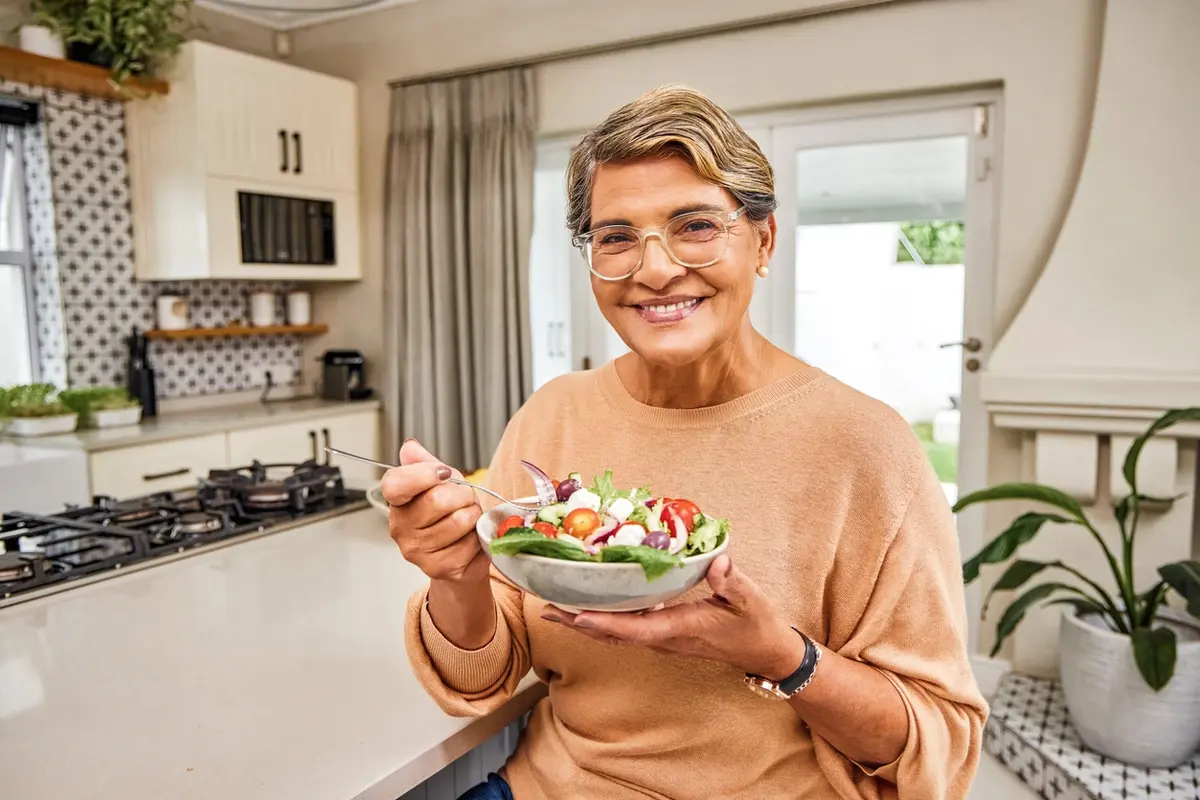
Seniors at Emerald Gardens in Woodburn, Oregon stay active, connected, and healthy through a full calendar of wellness activities spanning physical fitness, creative arts, social events, and cognitive programs. Research shows that older adults who participate in structured wellness activities report better physical health, reduced depression, and a stronger sense of purpose.
Key Takeaways
- Wellness activities for seniors cover four core types: physical, cognitive, social, and creative.
- Daily living activities support independence and are foundational to resident care.
- The right mix of activities depends on a resident’s health, mobility, and personal interests.
- Emerald Gardens offers both Assisted Living and Memory Care programs in Woodburn, OR.
Why Wellness Activities Matter for Seniors
Staying active is not optional; it is essential. According to the National Institute on Aging, regular physical activity helps older adults maintain muscle strength, improve balance, and reduce fall risk. A 2022 systematic review and meta-analysis published in NIA, covering longitudinal cohort studies from 2012 to 2020, found that poor social relationships were consistently associated with a greater risk of cognitive impairment in older adults.
At Emerald Gardens, wellness programming and events are built into daily life. Residents do not have to look far to find something meaningful to do.
The 4 Main Types of Wellness Activities for Seniors
Structured programs fall into four core categories. Knowing them helps families ask better questions and helps residents choose what fits them best.
| Activity Type | Examples | Primary Benefit |
| Physical | Chair yoga, walking groups, stretching | Mobility, fall prevention, cardiovascular health |
| Cognitive | Puzzles, trivia, brain games | Memory retention, focus, mental sharpness |
| Social | Group dining, game nights, movie events | Reduced isolation, emotional well-being |
| Creative | Painting, music, gardening, crafts | Self-expression, fine motor skills, mood improvement |
Each type supports a different dimension of health. The best wellness programs, including those at Emerald Gardens, combine all four rather than focusing on only one.
Physical Wellness Activities: Where to Start
Chair yoga and gentle stretching are accessible to nearly every resident, including those in memory care who may have limited mobility. A 30-minute morning stretch class, for example, improves blood flow and helps set a positive tone for the rest of the day.
Walking groups work well because they combine light exercise with social connection. Even a 15-minute outdoor walk three times a week can lower blood pressure and improve sleep quality for older adults.
For residents in assisted living, supervised fitness programs allow them to stay active safely without risk of injury.
Cognitive Activities: Keeping the Mind Engaged
Brain-stimulating wellness activities are especially important for residents living with dementia or early-stage Alzheimer’s. Puzzles, word games, trivia sessions, and reminiscence activities help keep neurons firing and support cognitive function.
Practical tip: Trivia themed around a resident’s decade, music era, or hometown tends to spark more engagement than generic content. Staff at Emerald Gardens can personalize programs based on each resident’s background and interests.
Social and Creative Activities: Connection Is the Point
Isolation is one of the most significant health risks for older adults. Group meals, holiday parties, and resident clubs address this directly. The goal is to give residents regular reasons to leave their apartments and connect with others.
Creative programs like watercolor painting, flower arranging, and music appreciation give residents a productive outlet. Many residents who have not painted since childhood rediscover a love for it in community settings.
Check the events and activities calendar at Emerald Gardens to see what is coming up.
Things to Know Before Choosing a Community Based on Activities
- Ask for the monthly activity calendar. A well-run community publishes it in advance and follows through consistently.
- Look at staffing ratios. Activities need staff support to run well. Understaffed programs often get cancelled.
- Match activities to the resident’s current ability. Someone with moderate memory loss benefits from shorter, structured activities of 30 to 45 minutes rather than multi-step projects.
- Visit during an activity. Observe whether residents appear engaged or simply seated in a room.
Ready to See Wellness in Action?
If you are looking for a community that takes your loved one’s wellness seriously, Emerald Gardens in Woodburn, Oregon, is worth a visit. We offer both Assisted Living and Memory Care programs built around resident engagement, connection, and quality of life. Contact us today to schedule a tour or learn more about available living options.
Frequently Asked Questions
What activities do seniors enjoy?
Seniors most commonly enjoy social events, light exercise, creative arts like painting or music, and games such as bingo or trivia. Preferences vary widely, so personal interests should guide activity selection.
What are some wellness activities?
Wellness activities include yoga, walking, gardening, painting, puzzles, cooking classes, group outings, and music programs. The goal is to support physical, mental, and social health together.
What are the four main types of activities for seniors?
The four main types are physical, cognitive, social, and creative activities. A well-rounded program includes all four on a regular basis.
What are the 7 activities of daily living?
The 7 activities of daily living (ADLs) are bathing, dressing, eating, transferring, toileting, continence, and ambulation. These are the foundation of assisted living care assessments.
What activities stimulate seniors?
Brain games, music therapy, reminiscence programs, hands-on crafts, and social interaction all stimulate older adults cognitively and emotionally. Activities that tie into personal history tend to be most effective.